Why Homeowners Trust Gardner Painter for Their Painting Projects
Revamp Your Area Using Professional Painting Services
Renovating a space can be as straightforward as a fresh coat of paint. Professional painting services provide skill that goes beyond mere aesthetics. Skilled painters understand the intricacies of choosing colors and surface preparation. Their work can improve both the inside and exterior of a home, adding worth and allure. However, comprehending the full scope of this transformative process is essential for homeowners. What considerations should be addressed before starting on such a project?
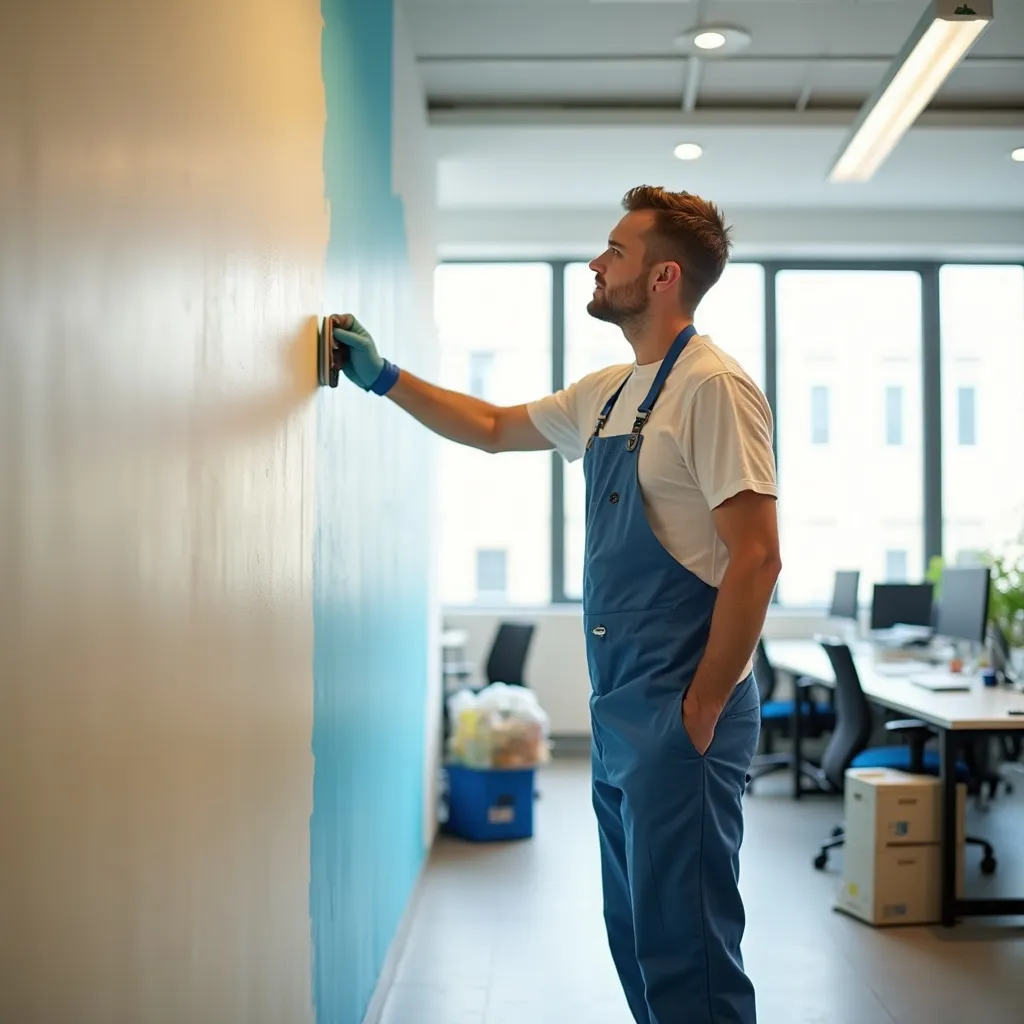
The Profound Strength of Professional Professional Paint Application
Professional paint refinishing can reconstruct a space, introducing fresh vitality into faded interiors and exteriors. By laying down bold hues and coatings, it can profoundly reshape perceptions and strengthen the overall mood. A expertly crafted paint job transforms not only walls but also the vibe of a room or building, making it feel more appealing and integrated.
Various hues trigger different feelings; for instance, gentle blues may produce calmness, while bold reds can inspire vigor. The choice of finish—matte, satin, or glossy—also plays an important part in how light interacts with surfaces, additionally influencing the atmosphere.
Beyond visual appeal, professional painting provides protection to surfaces from wear and tear, contributing durability to both indoor and outdoor settings. It provides a cost-effective solution to rejuvenate environments without undertaking major renovations. Ultimately, the key advantage of professional painting lies in its ability to improve both visual appeal and functionality.
Reasons to Bring On Talented Painters
Employing qualified painters offers a wealth of proficiency in color selection, ensuring that the selected colors enhance the visual appeal of a area. Their experience also assures effective and timely execution of the undertaking, reducing disruption to the resident's daily schedule. These professionals enhance the appearance of a room while also streamlining the painting workflow.
Experience In Color Determination
How can the perfect color transform a room? Skilled painters possess a thorough understanding of color psychology and its impact on mood and perception. They can lead homeowners through the selection process, ensuring the chosen hues complement the space's architecture and lighting. Professional painters are skilled at identifying popular colors and timeless palettes, helping clients achieve a cohesive aesthetic. Their expertise extends beyond mere preference, as they consider factors such as room size and function. Additionally, they can provide advice on finishes and textures, elevating the overall effect. By leveraging their knowledge, homeowners can avoid costly mistakes and achieve a stunningly transformed space that reflects their personal style and enhances their living environment.
Effective And Prompt Execution
The modification of a space goes beyond color selection; it also copyrights on the performance of the painting process. Engaging skilled painters ensures that this performance is both effective and prompt. Expert painters possess the expertise to prepare surfaces correctly, use the appropriate supplies, and apply methods that yield high-quality results. Their experience reduces errors and redoing work, which can significantly prolong project schedules. In addition, skilled painters can anticipate obstacles and handle them quickly, keeping the project on track. By entrusting the job to experts, homeowners can enjoy a smooth process, transforming their spaces rapidly without compromising quality. Ultimately, the value of engaging skilled painters lies in their capacity to deliver exceptional results within a specified timeframe.
Find the Ideal Shade Palette for Your Environment
Picking the right color palette for a location can materially determine its feel and functionality. A well-chosen palette can create a cohesive look, elevating both aesthetic appeal and mood. For sample, soft neutrals often cultivate tranquility, rendering them ideal for bedrooms, while intense colors can energize social spaces like living rooms.
Consider the natural light in the space; hues may appear varied depending on lighting. Additionally, existing furnishings and decor should guide color selections to guarantee consistency. Using theory of color can also provide understanding; colors that complement each other can create balance, while analogous colors generate a feeling of continuity.
Ultimately, people ought to weigh their personal preferences, as colors frequently convey emotional significance. Testing colors on the walls can help visualizing the final result, providing refinements before committing to a comprehensive paint job. This intentional choosing transforms any room into a reflection of individual character and well-being.
Get Your Property Ready for Painting
Readying a home for painting involves several essential steps to assure a smooth process. Emptying the area of items and furnishings creates a clean workspace, while patching wall imperfections provides a flawless surface. Additionally, picking the right paint can considerably impact the final finish and durability of the finished project.
Vacate The Region
Clearing the area is crucial for a effective painting project. A well-prepared space enhances efficiency and reduces complications during the painting process. Homeowners should start by removing furniture and decor from the room, ensuring that all surfaces are accessible. If items cannot be moved, protecting them with drop cloths or plastic sheeting will protect them from paint splatters. Additionally, it is vital to clear pathways for the painters, allowing them to move easily and safely. Removing wall hangings, light fixtures, and outlet covers will also facilitate a smoother painting experience. Taking these preliminary steps not only safeguards belongings but also contributes to a clean and organized environment, ultimately leading to a more polished finish in the painting project.
Correct Wall Defects
Once the space has been cleared, attention should turn to repairing wall imperfections. This step is necessary for achieving a polished, refined finish. Typical problems such as cracks, holes, and dents must be addressed before applying any paint. A thorough inspection of the walls is important; any blemishes should be flagged for repair. Using spackle or joint compound, these flaws can be filled and smoothed out. Once dried, sanding the patched areas guarantees a seamless surface. Additionally, it’s important to clean the walls afterward to remove any dust or debris. Proper wall preparation not only enhances the aesthetic appeal but also extends the longevity of the paint job, making it a key part of the painting process.
Select The Appropriate Paint
What is the best approach to choose the right paint for your room? Choosing the right paint involves several key factors. First, it is important to evaluate the room's use; high-traffic areas may require durable, washable finishes, while bedrooms explore the facts may benefit from softer, more soothing hues. Next, lighting has a significant role; natural light can affect a color's appearance throughout the day. Additionally, selecting the appropriate finish—matte, eggshell, satin, or gloss—affects both aesthetics and maintenance. It's also crucial to evaluate the existing décor and color schemes to keep harmony within the space. Finally, consulting with a professional can give valuable insights, guaranteeing the chosen paint not only improves the environment but also meets practical needs.
Recommendations for Preserving Your Freshly Painted Spaces
Maintaining newly applied surfaces demands careful attention to guarantee longevity and vibrancy. Regular cleaning is vital; applying a soft cloth or sponge with light soap and water helps remove grime and blemishes without harming the paint. Avoid harsh chemicals, as they can damage the finish.
It is encouraged to perform periodic surface inspections for any signs of wear, such as chipping or peeling. Early detection allows for immediate repairs, preventing minor issues from becoming major problems.
Additionally, regulating the indoor climate can notably influence painted surfaces. Maintaining a stable temperature and humidity balance prevents the paint from cracking or blistering.
Finally, be conscious of high-traffic areas that may require more frequent servicing. Placing furniture or padding strategically can defend these coatings. By executing these simple plans, one can ensure that their newly painted spaces remain beautiful for extended periods to come.
Top 5 Missteps to Dodge When Engaging a Painter
Hiring a painter can greatly impact the overall aesthetic and value of a space, yet many homeowners unknowingly make critical mistakes during the selection process. One common mistake is neglecting to confirm credentials and assessments, which can lead to hiring unqualified individuals. Another misstep is failing to obtain detailed written estimates, leaving room for unexpected costs. Homeowners often fail to recognize the importance of verifying certifications and insurance, risking liability in case of accidents. Additionally, not discussing paint selections and finish types thoroughly can result in dissatisfaction with the final look. Finally, many rush the timeline, failing to allow adequate prep work that guarantees a long-lasting finish. By avoiding these pitfalls, homeowners can secure a professional painter who meets their needs and enhances their space effectively.
Typically Requested Inquiries
How Long Does a Typical Painting Project Take to Complete?
A everyday painting initiative normally takes 1-2 weeks to complete, depending on factors such as the area size, job complexity, and setting times for different paint varieties and finishes.
What Types of Paint Finishes Are Available?
Various paint finishes are available, such as matte, eggshell, satin, semi-gloss, and gloss. Each finish provides unique characteristics, affecting durability, sheen, and overall appearance, enabling individuals to choose based on their specific aesthetic and functional needs.
Can you find sustainable painting options available?
Yes, sustainable painting alternatives are accessible. These solutions are designed with low or no volatile organic compounds (VOCs), decreasing environmental damage while offering secure options for inside and outside jobs, supporting better home environments.
Do I Need to Relocate My Furniture Before Paint Work?
Yes, moving furniture before painting is recommended. This safeguards items from paint splatters and allows for easier access to walls. It also guarantees a more seamless painting process, resulting in a more professional finish overall.
What Measures Should I Consider if I'M Disappointed With the Pigment?
If someone is unhappy with the color, they should think about consulting with a expert for advice, examining color samples, and potentially repainting. Adjusting lighting and testing different shades might also help with making a decision.